Best Organic Fertilizer Making Tip viral
Best Organic Fertilizer Making Tip viral: അടുക്കളയോട് ചേർന്ന് ചെറിയ രീതിയിലെങ്കിലും ഒരു അടുക്കളത്തോട്ടം നിർമ്മിക്കാൻ താല്പര്യപ്പെടുന്നവരാണ് ഇന്ന് മിക്ക ആളുകളും. എന്നാൽ സ്ഥല പരിമിതി, വളപ്രയോഗം നടത്താൻ സാധിക്കാത്ത അവസ്ഥ എന്നിവയെല്ലാം പലരെയും ഇത്തരം കാര്യങ്ങളിൽ നിന്നും പിന്തിരിപ്പിക്കുന്ന ഘടകങ്ങളാണ്. ചെടികൾ നട്ടുപിടിപ്പിച്ചാലും അതിൽ ചാണകപ്പൊടി പോലെയുള്ള വളങ്ങളുടെ പ്രയോഗം നടത്തേണ്ടത് അത്യാവശ്യ കാര്യമാണ്.
എന്നാൽ പണ്ടുകാലത്ത് ഉണ്ടായിരുന്നതു പോലെ ഇന്ന് ചാണകവും മറ്റും വളപ്രയോഗത്തിനായി ഉപയോഗിക്കുക എന്നത് എളുപ്പമുള്ള കാര്യമല്ല. അത്തരം ആളുകൾക്ക് തീർച്ചയായും ചാണകപ്പൊടിക്ക് പകരമായി വീട്ടിൽ തന്നെ തയ്യാറാക്കി ഉപയോഗിക്കാവുന്ന ഒരു വളക്കൂട്ടിനെ പറ്റി വിശദമായി മനസ്സിലാക്കാം. ഈയൊരു വളക്കൂട് തയ്യാറാക്കാനായി പ്രധാനമായും ആവശ്യമായിട്ടുള്ളത് പച്ചപ്പുല്ല് ആണ്. ആദ്യം തന്നെ ഉപയോഗിക്കാത്ത ഒരു ബക്കറ്റ് വീട്ടിൽ ഉണ്ടെങ്കിൽ അത് എടുത്ത് മുക്കാൽ ഭാഗത്തോളം വേരോട് കൂടിയ പച്ചപ്പുല്ല് അതിൽ നിറച്ചു കൊടുക്കുക.
ഈയൊരു രീതിയിൽ പച്ചിലകളും, പുല്ലും ഉപയോഗിച്ച് വളക്കൂട്ട് തയ്യാറാക്കുമ്പോൾ ചെടികളിൽ നൈട്രജന്റെ അംശം കൂടുതലായി ലഭിക്കുന്നതിന് സഹായിക്കുന്നതാണ്. ഇത്തരത്തിൽ പറിച്ചെടുക്കുന്ന പച്ചപ്പുല്ലും ഇലകളും കുറച്ച് വെള്ളത്തിലാണ് മുങ്ങിക്കിടക്കേണ്ടത്. പച്ചിലകളോടൊപ്പം യീസ്റ്റ് അല്ലെങ്കിൽ ശർക്കര ഇട്ടുകൊടുക്കുകയാണെങ്കിൽ വളക്കൂട്ട് എളുപ്പത്തിൽ തയ്യാറായി കിട്ടുന്നതാണ്. ഈയൊരു രീതിയിൽ തയ്യാറാക്കി എടുക്കുന്ന വളക്കൂട്ട് കുറഞ്ഞത് ഏഴ് ദിവസമെങ്കിലും അടച്ച് വെക്കേണ്ടതുണ്ട്. എന്നാൽ മാത്രമാണ് ഇലകൾ നല്ല രീതിയിൽ ചീഞ്ഞ് അതിൽ നിന്നും സ്ലറി ഉണ്ടാക്കിയെടുക്കാനായി സാധിക്കുകയുള്ളൂ.
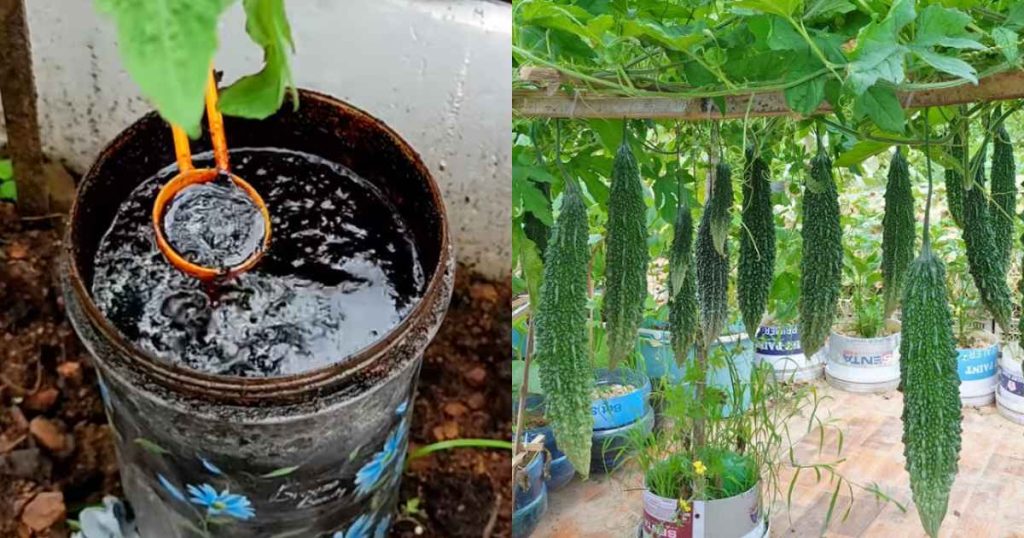
ഇനി യീസ്റ്റ് ശർക്കര എന്നിവ കിട്ടാത്ത സാഹചര്യങ്ങളിൽ ഇല വെള്ളത്തിലിട്ട് സ്ലറി രൂപത്തിൽ ആക്കി എടുത്താലും മതി. ഇങ്ങനെ ചെയ്യുമ്പോൾ കൂടുതൽ ദിവസം ആവശ്യമായി വരും. പച്ചില വെള്ളത്തിൽ കിടന്ന് നല്ല രീതിയിൽ ചീഞ്ഞ് അഴുകി കഴിഞ്ഞാൽ അതിന്റെ വെള്ളം മാത്രമായി മറ്റൊരു പാത്രത്തിലേക്ക് അരിച്ചെടുക്കാം. ഇതിൽനിന്നും ഒരു കപ്പ് അളവിൽ സ്ലറിയും 5 കപ്പ് അളവിൽ വെള്ളവും ചേർത്ത് നല്ലതുപോലെ മിക്സ് ചെയ്ത ശേഷം ചെടികളിൽ ഒഴിച്ചു കൊടുക്കുകയാണെങ്കിൽ നല്ല രീതിയിൽ വിളവ് ലഭിക്കുന്നതാണ്. കൂടുതൽ വിശദമായി മനസ്സിലാക്കാൻ വീഡിയോ കാണാവുന്നതാണ്. Best Organic Fertilizer Making Tip Credit : Krishi master
- Choose Fresh Organic Materials
- Use kitchen scraps, vegetable peels, fruit waste, dry leaves, and cow dung for nutrient-rich fertilizer. Maintain the Right Mix
- Combine green materials (vegetable waste, grass) with brown materials (dry leaves, straw, paper) in a balanced ratio. Chop Materials into Small Pieces
- Smaller pieces decompose faster and produce compost more quickly. Keep the Compost Moist
- The pile should be damp like a squeezed sponge—not too dry or too wet. Turn the Compost Regularly
- Mix the pile every 7–10 days to improve airflow and speed up decomposition. Add Natural Compost Starters
- Use cow dung, old compost, or beneficial microbes to accelerate the composting process. Avoid Harmful Waste
- Do not add meat, dairy products, oily foods, plastic, or chemically treated materials. Protect from Heavy Rain
- Cover the compost pile to prevent excess water, which can slow decomposition and create bad odors. Allow Enough Time
- Let the compost mature for 6–12 weeks until it becomes dark, crumbly, and earthy-smelling. Apply Properly
- Mix the finished organic fertilizer into the soil around plants to improve soil fertility, water retention, and healthy plant growth.

Harsha .C. Rajan is a versatile content writer passionate about creating engaging stories. With 2+ years of experience in d website content creation. Harsha specializes in healthcare, entertainment and lifestyle topics. Her writing style is informative, yet conversational, making complex content easy to understand.